

How to Grade Pokémon Cards in South Africa
Field Report: Protecting Your Assets
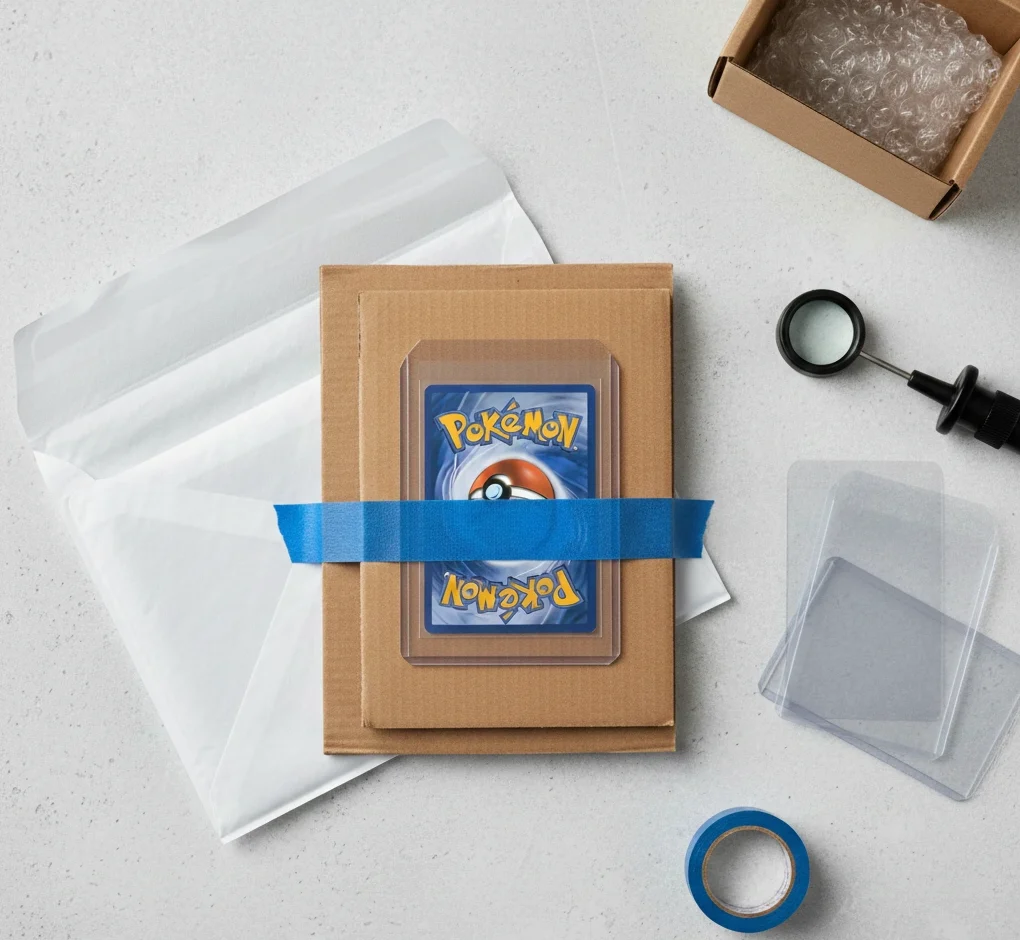
You’ve pulled a heavy hitter—the kind of card that makes your heart race. But in the modern TCG market, a raw card is often just potential energy. To truly unlock its value and protect it for decades, you need a “Slab.” Today, we’re breaking down exactly how to navigate the grading world from SA.
The Grunt’s Briefing:
Phase 1: The Pre-Submission Inspection
Grading is an investment, and like any investment, you need to do your due diligence. Professional grading through companies is strict; the difference between a PSA 9 and a PSA 10, or a Beckett Black Label and Beckett 9.5, can mean thousands of Rands in market value. Before you ship your cards, you must become the judge.
To do this effectively, don’t just rely on the naked eye. Use a grading app (I recommend Card Centering Calculator), ask others for advice, or utilise a jeweller’s loupe (10x magnification). Hold the card under a bright, direct LED light and tilt it at different angles—this is the only way to catch “ghost” scratches or faint print lines invisible in standard lighting.
Additionally, before submitting, check the value of your card in its graded form on the secondary market (Ebay/PriceCharting) to ensure that it is worthwile to submit. Grading is a costly process and if your card isn’t worth much more even when graded highly, it may be worth just keeping it in a binder (unless of course it’s for personal collection purposes).
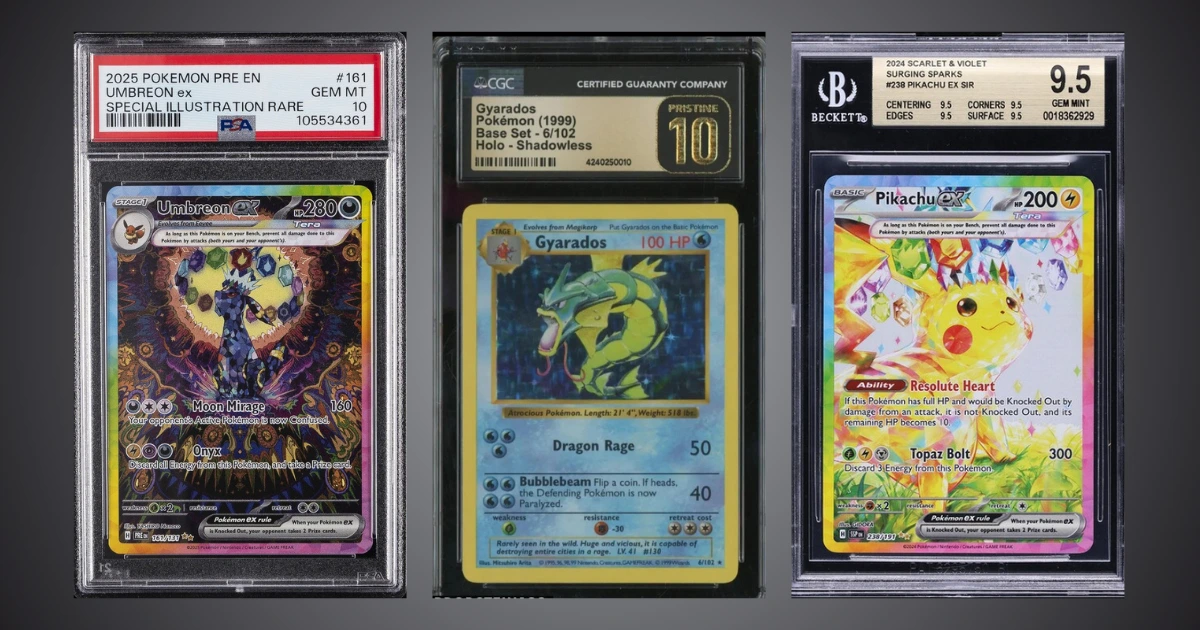
Visual examples of the primary grading companies available through GradeIt: The classic PSA red label, the modern CGC slab, and the premium Beckett (BGS) gold label.
- 🔍 Centering: Different companies have different grading standards. For example, PSA looks for a 55/45 ratio or better on the front to qualify for a 10. The back is more lenient at 60/40.
- 🔍 Corners & Edges: Look for “whitening” (tiny chips in the blue ink). Even a single “ding” or rough edge can drop a card to a 9 or below.
- 🔍 Surface: Check for “dimples” or scratches. Watch out for factory print lines running perfectly straight across the holo.
PSA Grade Label Descriptions
Phase 2: Submitting via GradeIt
The GradeIt Process:
- The Order: Log onto GradeIt.co.za, select your preferred grading company, and detail your card’s info (Set/Year/Card Number/Card Name).
- The Courier: Send your card to their HQ (either in Cape Town or Johannesburg) via a tracked courier (CourierGuy/Postnet/Pudo).
- The Voyage: They handle the export, insurance, and intake in and out of the country.
- The Return: They reveal the grades on stream and ship the slab to your door.
⚠️ Note on “Upcharges”:
[Only applicable to PSA]
If your card is graded highly and its market value exceeds the limit of your chosen submission tier, the grading company (e.g., PSA) may issue an “upcharge.” GradeIt will facilitate this payment, but be aware that rare or high-value cards may incur extra costs that are at your expense once the grade is finalised. An upcharge can be indicative of your card being of higher value than you anticipated, but is not always indicative of receiving a 10.
Phase 3: The “Cardboard Sandwich”
The journey from South Africa to the US grading offices is a long one. Proper packaging is not just about safety; it’s about efficiency. GradeIt processes hundreds of cards; if your card is packed securely and logically, it allows them to verify your submission quickly and safely repackage it without risking damage.
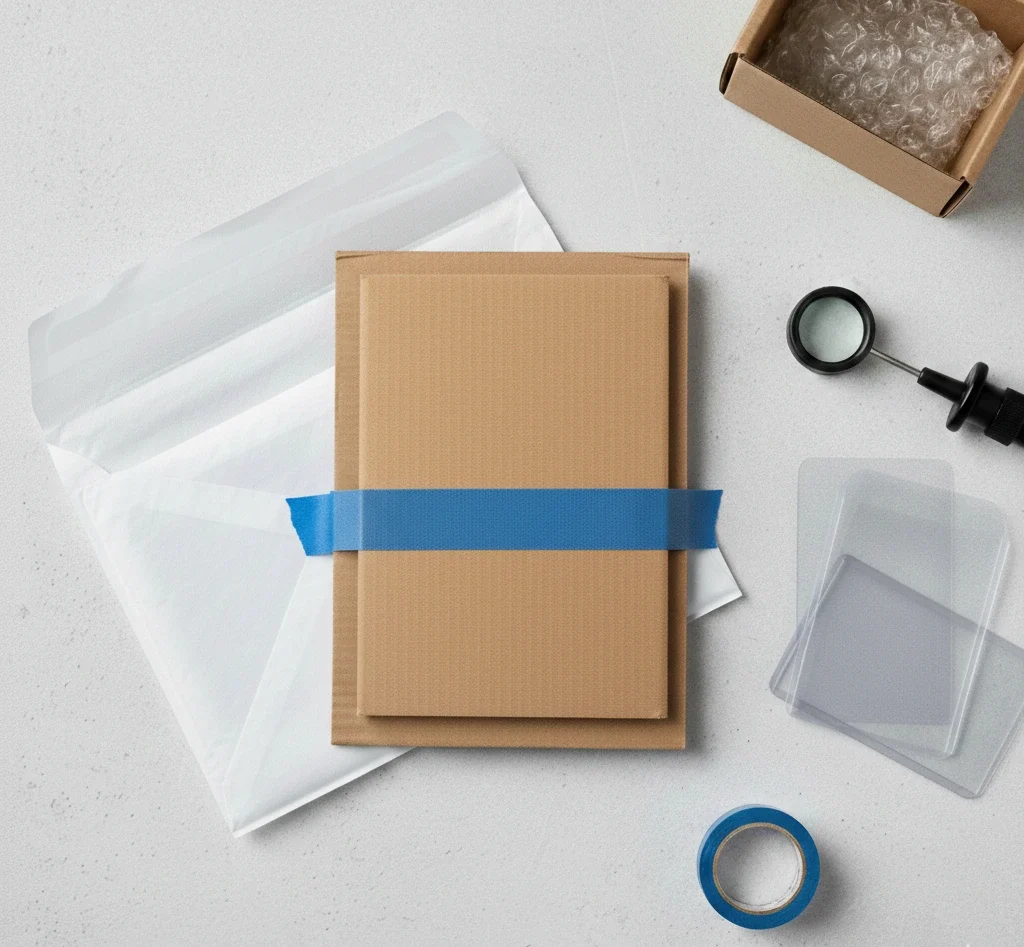
- Penny Sleeve: Essential. No card should touch a toploader without a sleeve. Avoid utilising a perfect-fit sleeve— GradeIt and/or selected grading company will have to remove the card from the sleeve and the tightness may cause edgewear/damage when removing.
- Semi-Rigid Holders/Top-Loaders: GradeIt prefers Semi-Rigids for ease of removal and have stock on their site of this. A top-loader can suffice, but ensure to tape the top to avoid it jumping around during transit.
- Recommended: The Sandwich. Place your sleeved and top-loaded card between two pieces of rigid cardboard slightly larger than the card itself.
- Tape: Secure with a painter/masking tape to prevent sliding and to avoid sticky residue. Other tapes should work just fine as well.
- Padded Envelope/Box: Ensure the card is sent in a suitable packaging method through your chosen courier. Note that any damages to your card because of your packaging methods will be at your responsibility.
Grunt’s Final Advice:
Patience is key. The GradeIt dashboard and GradeIt WhatsApp group will keep you updated on your “Grading Pipeline.” Do not spam the business requesting updates, they will provide them! 🙂